
Understanding Your Home’s Water Quality: Why Testing Comes Before Treatment
Have you ever filled a glass of water, noticed an unusual smell, and wondered whether something wasn’t quite right? Perhaps your bathroom faucets develop stubborn white deposits, or freshly washed…
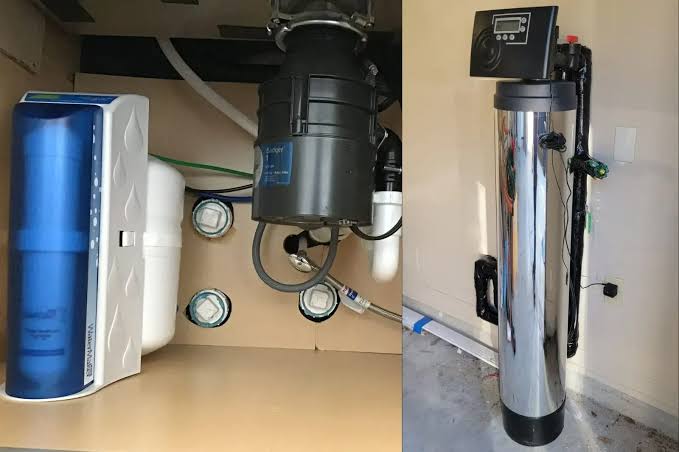
Have you ever filled a glass of water, noticed an unusual smell, and wondered whether something wasn’t quite right? Perhaps your bathroom faucets develop stubborn white deposits, or freshly washed clothes never feel as soft as you’d expect. These little frustrations often become part of everyday life, even though they may point toward water quality issues worth investigating.
Arranging a free in-home water analysis, when available through a local provider, can offer a useful starting point for understanding certain characteristics of your household water before investing in treatment equipment.
After all, purchasing a filtration system without knowing what’s in your water is largely guesswork.
- Finding the Right Water Treatment System for a Cleaner, More Comfortable Home
- A Clearer Look at Your Home’s Water: Testing, Filtration, and Everyday Confidence
- Protecting Your Home Starts With Small Repairs and Regular Maintenance
- When Hard Water Starts Showing Up in Everyday Life
- Good Water Shouldn’t Be Something You Have to Think About
- My Home Didn’t Feel Clean Until I Tried Professional Cleaning in Dublin
Understanding your water supply can help you make informed decisions, avoid unnecessary expenses, and find practical ways to improve everyday household comfort.
What Your Household Water Might Be Telling You
Water quality concerns often reveal themselves through ordinary household activities.
Chalky deposits around faucets may indicate hard water. Reddish stains inside sinks and toilets could be associated with iron, while an unpleasant chlorine-like odor may be related to municipal water treatment.
Sometimes, the signs are less obvious.
You might notice that soap doesn’t lather particularly well or that your kettle requires frequent descaling. These experiences can become frustrating, especially when cleaning provides only temporary relief.
However, visible symptoms don’t always reveal the entire problem.
Water that looks perfectly clear isn’t necessarily free from harmful contaminants. Likewise, water containing hardness minerals isn’t automatically unsafe to drink.
Basic household screening can identify certain characteristics, but laboratory testing may be necessary to investigate specific contaminants or establish drinking water safety.
Why Understanding Your Water Should Come Before Buying Equipment
There’s certainly no shortage of water filtration products available today. The difficulty lies in figuring out which ones are genuinely useful for your property.
Properly selected professional water treatment systems address specific water quality concerns through technologies suited to the incoming supply, household consumption, and desired treatment performance.
A homeowner dealing with excessive hardness may benefit from an appropriate water softener. Someone concerned about unpleasant drinking water tastes might find activated carbon filtration more suitable.
Other situations may require specialized treatment, such as reverse osmosis or validated disinfection equipment.
The important thing is matching the treatment method to the problem.
A sophisticated filtration system might look impressive, but if it doesn’t address the substances present in your water, it’s unlikely to deliver the results you’re expecting.
Reliable testing takes much of the uncertainty out of that decision.
Understanding Different Water Conditioning and Filtration Methods
People sometimes use the terms filtration and softening interchangeably, although they describe different processes.
Experienced providers of water conditioning and filtration services can help homeowners understand these distinctions and determine whether individual treatment methods or combined systems are appropriate.
Sediment filters capture suspended particles, including sand and rust. Activated carbon media can reduce certain undesirable tastes, odors, and contaminants.
Water softeners primarily address hardness minerals through ion exchange, helping reduce future scale formation.
Reverse osmosis systems use a semipermeable membrane to reduce various dissolved substances, making them useful for certain drinking water applications.
Each technology serves a particular purpose.
Some households benefit from multiple treatment stages, while others need only a relatively simple system.
Understanding these differences helps homeowners avoid spending money on unnecessary equipment.
The Everyday Benefits of Addressing Water Quality Concerns
Suitable water treatment can improve household routines in ways that might initially seem insignificant.
Imagine cleaning your bathroom fixtures without dealing with the same stubborn mineral deposits every few days. Or preparing your morning coffee with water that’s free from an objectionable chlorine taste.
Appropriate hardness treatment may also help limit future scale accumulation inside certain appliances, potentially reducing some maintenance requirements.
These improvements aren’t necessarily dramatic, but they can make everyday activities more enjoyable.
Of course, results depend on incoming water conditions and the equipment selected.
It’s sensible to establish realistic expectations before installation. A system designed to reduce hardness won’t necessarily address other contaminants, just as an ordinary sediment filter won’t remove dissolved minerals.
Choosing Between Whole-Home and Point-of-Use Treatment
Not every water quality concern requires treatment throughout the entire property.
If your main priority is improving drinking water quality, a dedicated under-sink filtration system may provide a practical solution.
Whole-home treatment, on the other hand, may be more appropriate when concerns affect multiple household fixtures or appliances.
Consider where you experience water-related problems most frequently.
Are you mainly concerned about the taste of drinking water? Or are mineral deposits appearing throughout your bathrooms and kitchen?
Your answers can help determine the most suitable installation approach.
Available space, incoming water pressure, household consumption, and equipment maintenance requirements should also influence your decision.
Looking Beyond the Initial Purchase Price
Water treatment equipment represents an ongoing investment rather than a one-time purchase.
Replacement filters, treatment media, salt, electricity, and professional servicing may contribute to long-term ownership expenses.
Before selecting equipment, ask about recommended maintenance intervals and replacement component availability.
It’s also worth checking whether the system has independently verified performance for the contaminants you’re concerned about.
Follow manufacturer servicing recommendations and arrange periodic testing where necessary, especially when treatment addresses potentially harmful substances.
A reasonably priced system that meets your requirements and remains easy to maintain may offer better value than an expensive model with unnecessary features.
Taking a Thoughtful Approach to Better Water
Improving your household water begins with understanding what you’re working with.
Investigate noticeable changes in water quality, arrange appropriate testing, and select treatment equipment based on reliable information rather than assumptions.
You don’t necessarily need the most advanced system available. You need one that addresses your concerns and fits comfortably into your everyday life.
Water is involved in countless ordinary moments, from brewing coffee before work to washing dishes after dinner. Giving its quality some thoughtful attention can make those moments a little more enjoyable, without adding unnecessary complications to your household routine.