
When Hard Water Starts Showing Up in Everyday Life
Hard water is one of those household problems that doesn’t always seem serious at first. A few spots on the dishes. A little white buildup near the faucet. Shampoo that…
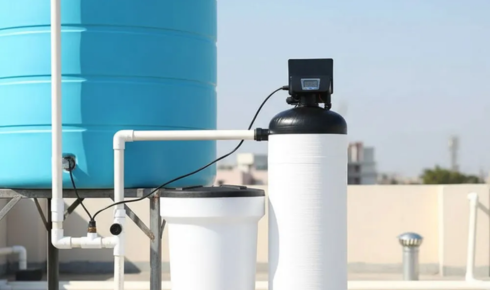
Hard water is one of those household problems that doesn’t always seem serious at first. A few spots on the dishes. A little white buildup near the faucet. Shampoo that doesn’t rinse out quite right. Nothing dramatic, really. But after a while, those small signs begin to feel annoying, and sometimes expensive.
Water affects nearly every corner of a home. It runs through the kitchen, bathrooms, laundry room, water heater, and appliances. So when the water is carrying too many minerals, the effects tend to spread quietly.
What Hard Water Actually Does
Hard water usually contains higher levels of minerals like calcium and magnesium. These minerals aren’t always dangerous, but they can make water harder to live with. Soap may not lather well. Laundry may feel rough. Shower glass can look cloudy even after cleaning.
- Good Water Shouldn’t Be Something You Have to Think About
- My Home Didn’t Feel Clean Until I Tried Professional Cleaning in Dublin
- What Your Tap Water Isn’t Telling You (And Why It Might Be Worth Finding Out)
- When Your Water Comes from the Ground: Living with It, Fixing It, Understanding It
- When You Finally Pay Attention to Your Water, Things Start to Change
- Before You Upgrade Your Water: Why Testing, Installation, and Ongoing Care Matter More Than You Think
That’s why hard water treatment is often more than just a comfort upgrade. It can help reduce mineral-related issues that affect cleaning, bathing, plumbing fixtures, and appliances. Once the right system is in place, many homeowners notice the difference pretty quickly.
The Importance of Proper Setup
Choosing a water system is only half the job. The way it is installed matters just as much. A system that is too small, placed incorrectly, or connected without proper planning may not perform as expected.
Professional installation services help make sure the equipment matches the home’s water demand, plumbing layout, and specific water quality concerns. It also reduces the chances of leaks, pressure issues, or poor performance later. Honestly, water treatment is not something most homeowners want to “figure out as they go.”
Keeping the System Working Well
Even the best system needs attention from time to time. Filters may need replacing. Salt levels may need checking. Valves, settings, and water pressure may need a quick look. Ignoring these small tasks can slowly reduce performance.
Regular maintenance services keep everything running smoothly and help catch small issues before they become bigger problems. It’s a bit like servicing a car. You don’t wait until the engine fails before checking the oil.
Why Testing Comes First
Before buying any system, testing the water is the smart starting point. Hardness levels can vary from one area to another, and even nearby homes may have different results depending on plumbing, wells, or municipal supply.
A water test helps identify the real issue. Maybe the problem is hardness. Maybe it’s iron. Maybe there’s sediment or chlorine taste involved too. Without testing, it’s easy to spend money on the wrong solution.
Everyday Benefits You Can Feel
Better water can change small routines in a good way. Showers feel cleaner. Soap rinses better. Clothes come out softer. Faucets and showerheads stay cleaner for longer. Water heaters and dishwashers may also deal with less scale buildup, which can support better efficiency over time.
These improvements may not sound huge on paper, but in real life, they matter. Nobody enjoys scrubbing cloudy glass doors every few days.
A Smarter Way to Protect Your Home
Water treatment is really about making the home work better. It protects comfort, helps appliances, and saves time spent fighting stains and buildup. The right system doesn’t need to be complicated. It just needs to match the water problem.
If your home has signs of hard water, don’t ignore them. Start with testing, choose a practical system, and keep it maintained. Good water may feel like a small thing, but once you have it, you notice it every single day.