
Protecting Your Home Starts With Small Repairs and Regular Maintenance
A home can look perfectly fine from the street while a few small problems quietly develop around the property. A loose fence board, a gutter packed with fallen leaves, or…
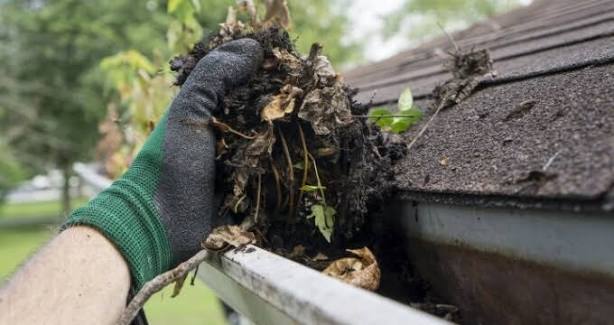
A home can look perfectly fine from the street while a few small problems quietly develop around the property. A loose fence board, a gutter packed with fallen leaves, or a damp patch on an exterior wall might not seem urgent at first. But leave these issues unattended for long enough, and a simple weekend repair can turn into a much more expensive project.
Most homeowners have experienced something similar. You plan to fix one small thing, only to discover another problem nearby. The good news is that regular inspections and timely maintenance can help prevent many of these surprises.
Taking care of a property doesn’t mean constantly renovating it. Often, it comes down to understanding how outdoor structures handle weather, keeping water moving away from the house, and recognizing the early signs of material damage.
- When Hard Water Starts Showing Up in Everyday Life
- Good Water Shouldn’t Be Something You Have to Think About
- My Home Didn’t Feel Clean Until I Tried Professional Cleaning in Dublin
- What Your Tap Water Isn’t Telling You (And Why It Might Be Worth Finding Out)
- When Your Water Comes from the Ground: Living with It, Fixing It, Understanding It
- When You Finally Pay Attention to Your Water, Things Start to Change
Keeping Fences Strong, Secure, and Attractive
A fence does several jobs around a property. It provides privacy, establishes boundaries, keeps pets within a designated area, and contributes to the overall appearance of the yard. Because fences remain exposed to changing weather, however, they can gradually loosen, fade, or deteriorate.
Timely fence repairs can help extend the life of an existing fence without the expense of replacing the entire structure. Common problems include leaning posts, broken boards, loose fasteners, sagging gates, and sections damaged by wind or falling branches.
Start by walking along the fence line and checking its condition. Pay attention to posts that move when gently tested, gaps between boards, and gates that no longer close properly. A fence that leans noticeably may have damaged posts or weakened foundations, rather than simply needing a few replacement screws.
Wooden fences require particular attention near the ground, where moisture can accumulate. If a post has become soft or unstable, replacing the damaged section may be more reliable than covering the surface with fresh paint. Metal fences have different concerns, including rust, damaged coatings, loose connections, and bent sections.
The right repair depends on the material and the extent of the damage. Replacing an individual board is generally straightforward, while resetting posts or repairing a long leaning section can require specialized tools and experience.
It’s also worth considering why the damage happened. If a gate repeatedly pulls away from its post, the hinges may be undersized or the frame may be poorly supported. Correcting the underlying cause helps prevent the same problem from returning.
Why Clean Gutters Matter More Than You Think
Rainwater needs a clear route away from the roof and the surrounding walls. When gutters become blocked, water can spill over the edges, soak exterior surfaces, and collect near the foundation. What begins as a seasonal cleaning task can eventually affect several parts of the property.
Regular gutter cleaning removes leaves, twigs, roof debris, and other material that restricts water flow. Homes surrounded by mature trees may need more frequent attention, particularly during autumn or after heavy winds.
A simple visual inspection can reveal warning signs. Look for overflowing sections during rainfall, sagging gutter runs, plants growing inside the channels, or dark streaks beneath the roofline. Water spilling over the edge may indicate a blockage, but it can also point to insufficient gutter capacity or incorrectly positioned components.
Cleaning should include checking accessible downspouts. A clear gutter won’t do much good if the water cannot drain away through the outlet. Downspouts should direct water toward an appropriate drainage area rather than allowing it to pool beside the foundation.
Safety is essential when working at height. Use appropriate equipment, avoid unstable ladders, and never lean dangerously to reach another section. Wet roofs and slippery surfaces are particularly hazardous. If the gutters are high, damaged, or difficult to access, hiring a professional is often the better choice.
Gutter guards may reduce the amount of debris entering the system, but they don’t eliminate maintenance altogether. Small leaves, seeds, and roof particles can still collect, depending on the design and surrounding environment.
After cleaning, inspect visible joints, brackets, and downspout connections. Fixing a loose bracket or leaking joint early can help prevent repeated overflow and protect the exterior finishes below.
Recognizing and Preventing Wood Rot
Wood brings warmth and character to a home, whether it’s used for fencing, exterior trim, window frames, decking, or porch structures. The trouble begins when moisture remains in contact with vulnerable wood for extended periods.
Wood rot is deterioration caused by fungi that thrive under suitable moisture and temperature conditions. Affected timber may become soft, discolored, cracked, or crumbly. In advanced cases, it can lose much of its strength, creating problems that go beyond appearance.
Not every dark patch means rot is present. Surface staining, dirt, and weathering can look similar, so it’s important to assess the material carefully. Persistent dampness, a musty smell, peeling paint, and timber that feels unusually soft are useful warning signs.
The most effective prevention strategy is moisture control. Repair leaking gutters, maintain suitable drainage, seal exposed wood with an appropriate exterior finish, and keep soil or mulch from sitting directly against vulnerable wooden components.
Pay special attention to joints and end grain, where water can enter more easily. Wooden fence posts, door frames, and trim near roof edges are common places to inspect because they experience repeated exposure to rain and splashing water.
If rot is limited to a small, nonstructural area, a suitable repair may be possible after the source of moisture has been corrected. More extensive deterioration, especially in load-bearing posts, stairs, or structural framing, should be assessed by a qualified professional.
Covering rotten wood with paint or filler may improve its appearance temporarily, but it doesn’t restore lost strength. Damaged material needs an appropriate repair or replacement, followed by steps to prevent the moisture problem from recurring.
How These Maintenance Tasks Work Together
Fences, gutters, and exterior wood may seem like separate concerns, yet water and weather often connect them.
For instance, a leaking gutter can keep the wooden fence or trim beneath it wet for longer than normal. Poor drainage can soften the ground around fence posts, making them less stable. Meanwhile, damaged exterior wood may allow moisture to enter areas that are more difficult to inspect.
Looking at the whole property helps identify these connections. If you notice deterioration in one area, consider whether another maintenance issue could be contributing to it.
Seasonal inspections are a practical way to stay ahead of problems. After heavy rain, check for overflowing gutters and standing water. Following strong winds, inspect fences for loose boards or leaning sections. During routine yard work, look for changes in exposed wooden surfaces.
Keep photographs of damage that appears to be getting worse. Comparing pictures over several weeks or months can help you decide whether a problem is stable or needs immediate attention.
Creating a Maintenance Plan That Fits Your Budget
Home maintenance becomes less overwhelming when tasks are prioritized instead of handled all at once. Begin with issues that affect safety, water management, or structural stability. Cosmetic improvements can usually wait until more urgent concerns are addressed.
Set aside a realistic amount for routine upkeep, replacement materials, and occasional professional services. When requesting estimates, ask contractors to explain the cause of the problem, the proposed repair, and any preventive measures included in the work.
It’s also helpful to consider the long-term cost of different materials. A fence material with a higher initial price may require less maintenance, while properly finished wood can remain attractive for years with appropriate care. The best option depends on the climate, installation quality, budget, and how much maintenance you’re willing to handle.
Small Steps Make a Lasting Difference
A well-maintained property rarely depends on one major improvement. More often, it reflects consistent attention to the details that protect the home from everyday wear and weather.
Repairing damaged fencing, keeping gutters clear, and addressing deteriorating wood can help prevent avoidable expenses while preserving the appearance and function of outdoor spaces.
You don’t have to fix everything in a single weekend. Start with a careful inspection, identify the most important problems, and work through them in a sensible order. With a little planning and timely action, small maintenance tasks can help keep your property safer, stronger, and looking its best for years to come.