
Finding the Right Water Treatment System for a Cleaner, More Comfortable Home
Water is one of those everyday essentials we tend to take for granted until something feels off. Maybe your morning coffee tastes slightly different, your bathroom fixtures develop stubborn white…
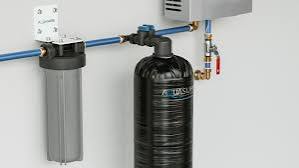
Water is one of those everyday essentials we tend to take for granted until something feels off. Maybe your morning coffee tastes slightly different, your bathroom fixtures develop stubborn white deposits, or your dishwasher leaves cloudy marks on otherwise clean glasses.
Individually, these issues might not seem particularly important. Together, though, they can make everyday household routines unnecessarily frustrating.
For homeowners in Northeast Illinois, improving water quality starts with understanding the source of these problems. Installing an expensive filtration system without knowing what needs treatment isn’t necessarily the smartest approach.
- Understanding Your Home’s Water Quality: Why Testing Comes Before Treatment
- A Clearer Look at Your Home’s Water: Testing, Filtration, and Everyday Confidence
- Protecting Your Home Starts With Small Repairs and Regular Maintenance
- When Hard Water Starts Showing Up in Everyday Life
- Good Water Shouldn’t Be Something You Have to Think About
- My Home Didn’t Feel Clean Until I Tried Professional Cleaning in Dublin
The right equipment should address your household’s specific needs, fit your budget, and provide practical benefits that you can appreciate in everyday life.
Understanding What Your Household Water Really Needs
Water quality can differ considerably between neighboring communities and even between individual properties. Municipal supplies and private wells may have different mineral concentrations, chemical characteristics, and treatment requirements.
Exploring suitable water filtration and softening solutions begins with identifying the problems affecting your household water. Hardness, sediment, iron, and unpleasant tastes or odors may require different treatment methods.
For example, if your faucets constantly develop chalky deposits, excessive hardness could be responsible. If drinking water has an unpleasant chlorine taste, a suitable activated carbon filter might be more helpful.
These are different concerns, and treating them as though they’re identical can lead to disappointing results.
A professional water assessment, combined with appropriate laboratory testing when necessary, provides a clearer picture of what your home actually needs.
The Difference Between Water Softening and Filtration
People often use the terms water softening and filtration interchangeably. Understandable, perhaps, but the two processes serve different purposes.
Water softeners primarily reduce calcium and magnesium, the minerals responsible for water hardness. Traditional systems use ion exchange to accomplish this, helping reduce scale accumulation throughout household plumbing and water-using appliances.
Filtration systems, meanwhile, target particular substances depending on their design and capabilities.
Sediment filters capture suspended particles, while activated carbon filters can reduce certain chemicals and improve taste and odor. Reverse osmosis systems use a membrane to reduce various dissolved substances.
A household experiencing multiple water quality concerns may benefit from combining treatment methods.
The important thing is recognizing that no single piece of equipment automatically solves every water quality problem.
Why Professional Installation Matters
Buying water treatment equipment is only one part of the process. Installing it correctly and ensuring that it works with your existing plumbing deserves equal attention.
Reliable water treatment system installation and support can help homeowners select appropriately sized equipment, establish suitable plumbing connections, and understand the maintenance requirements of their new systems.
An undersized water softener may struggle to accommodate a busy household’s daily water consumption. Similarly, an incorrectly installed filtration system could create unnecessary pressure problems or maintenance complications.
Before installation, discuss your household size, typical water usage, available space, and existing plumbing arrangements.
Good support matters afterward, too. Having someone available to explain unfamiliar settings or investigate performance concerns can make owning treatment equipment considerably less complicated.
Exploring Different Ways to Improve Drinking Water
There’s something especially satisfying about filling a glass straight from the kitchen faucet and enjoying the taste of the water.
However, selecting drinking water equipment requires more thought than simply choosing a popular filter.
When comparing water treatment and filtration options, homeowners should consider their water test results, specific contaminants of concern, equipment certifications, and ongoing maintenance costs.
An under-sink reverse osmosis system may be appropriate for reducing certain dissolved contaminants. Activated carbon filtration might suit households primarily concerned with chlorine taste and odor.
Private well owners may require additional treatment depending on laboratory findings.
Remember that clear, pleasant-tasting water isn’t necessarily free from harmful contaminants. Proper testing and independently verified treatment performance are far more reliable than appearance alone.
Whole-House Treatment or a Smaller Kitchen System?
Not every household needs comprehensive water treatment throughout the property.
Whole-house systems are useful when water quality concerns affect bathing, laundry, plumbing fixtures, and appliances. Excessive hardness, for instance, can create inconveniences in several rooms.
Point-of-use equipment treats water at a particular location, such as the kitchen sink. This approach can be practical when drinking and cooking water are the primary concerns.
Some families choose both. Others discover that a smaller, more affordable system meets their needs perfectly well.
Think about the problems you genuinely want to solve before committing to a particular arrangement. There’s little reason to purchase more equipment than your household requires.
Consider the Costs Beyond the Initial Purchase
Water treatment systems need ongoing care. Softener salt, replacement filters, membrane changes, and occasional professional servicing can all contribute to ownership expenses.
Ask about these costs before making a purchase rather than discovering them several months later.
It’s also worth discussing equipment warranties, replacement part availability, and recommended maintenance schedules. A system that’s affordable initially may become less economical if replacement components are particularly expensive.
A little planning makes budgeting much easier.
Better Water Begins With Better Decisions
Improving household water quality isn’t about filling your basement with sophisticated equipment. It’s about making everyday life more comfortable while addressing genuine water quality concerns.
For Northeast Illinois homeowners, suitable treatment can mean fewer mineral deposits, easier cleaning, and drinking water that better meets their needs.
Start with testing, ask questions, and choose equipment for practical reasons rather than impressive marketing promises.
After all, water touches nearly every corner of household life. Getting its treatment right is a small decision with benefits that can extend well beyond the kitchen sink.