
There’s a moment many homeowners experience, though it’s rarely dramatic. It might happen when you pull a clean glass from the dishwasher and notice a cloudy film that refuses to disappear. Or when you run your fingers through your hair after a shower and it feels oddly dry, even though you just conditioned it.
At first, it’s easy to dismiss these things. You assume it’s your soap, your appliances, or maybe just the natural quirks of everyday life.
But slowly, those small irritations begin to connect. The dishes, the laundry, the scale on your faucets—they’re all tied to something you probably haven’t thought much about.
Your water.
The Hidden Role Water Plays in Daily Comfort
Water is one of the most constant elements in a home. We drink it, cook with it, clean with it, and bathe in it. It touches almost every part of our routine.
Because of that, even minor changes in water quality can have a surprisingly large impact.
Most people don’t notice the difference between average water and high-quality water right away. But they definitely notice when something feels off—when cleaning takes longer, when appliances seem to struggle, or when skin feels unusually dry.
Often, the underlying cause is something simple and common: mineral content.
Why Hard Water Is So Common
As water travels through underground rock and soil, it naturally absorbs minerals like calcium and magnesium. This process creates what’s known as hard water.
Hard water isn’t unsafe to drink, but it can lead to a range of everyday inconveniences. Soap doesn’t lather easily. White residue forms on fixtures. Pipes and appliances accumulate mineral deposits over time.
What makes hard water particularly frustrating is that it works slowly. Problems develop gradually, making it easy to overlook the root cause.
Understanding How Softening Systems Work
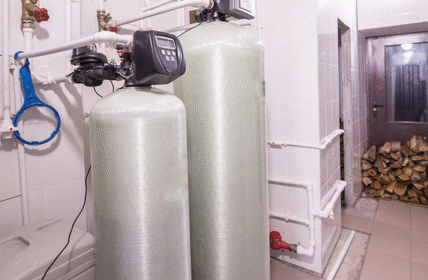
For many homeowners, installing salt based water softeners becomes a turning point.
These systems operate through a process called ion exchange. They replace calcium and magnesium ions with sodium or potassium ions, effectively reducing water hardness before it enters the home’s plumbing.
The change often feels subtle at first. But over time, the benefits become increasingly noticeable.
Soap starts working properly again. Cleaning becomes less time-consuming. Laundry feels softer. Even shower experiences improve, as softened water is gentler on skin and hair.
It’s not a dramatic overnight transformation—it’s a gradual shift toward smoother daily living.
The Science Behind Mineral Removal
One of the most important aspects of water softening involves mineral removal.
By eliminating excess calcium and magnesium, softening systems prevent scale buildup inside pipes, water heaters, and appliances.
This helps improve water flow, reduce energy consumption, and extend the lifespan of household equipment.
Without mineral accumulation, appliances don’t have to work as hard to perform their tasks. Over time, this can lead to lower maintenance costs and fewer unexpected repairs.
It’s a quiet benefit that pays off steadily in the background.
The Everyday Benefits You Can Actually Feel
Improved water quality doesn’t just affect plumbing—it influences daily comfort in ways that are easy to notice once they happen.
Showers feel more refreshing because softened water doesn’t strip natural oils from skin and hair. Cleaning products become more effective, meaning you use less detergent and spend less time scrubbing.
Even something as simple as washing your hands can feel different—softer, smoother, and more comfortable.
For many homeowners, these small improvements add up to a noticeable difference in how their home feels.
Why Water Quality Also Affects Taste
Beyond comfort, water quality plays a significant role in drinking and cooking experiences.
Hard water can sometimes leave a faint aftertaste that affects beverages like coffee and tea.
Improving water conditions often leads to better water that tastes cleaner and more refreshing.
Many families find they naturally drink more water after installing treatment systems—not because they’re trying to, but simply because it tastes more enjoyable.
This can have positive effects on hydration habits and overall well-being.
Protecting Your Home Over the Long Term
Water treatment isn’t just about convenience—it’s also about prevention.
Mineral buildup inside pipes can reduce water pressure and increase strain on plumbing systems. Appliances affected by scale may consume more energy and require more frequent maintenance.
By addressing these issues early, water softening systems help protect both your home infrastructure and your household budget.
The financial benefits may not appear immediately, but they accumulate steadily over time.
Why Local Conditions Matter
Water hardness levels vary widely depending on geographic location and supply sources.
That’s why effective treatment solutions often begin with professional water testing.
Testing provides detailed insights into mineral levels and overall composition, allowing homeowners to choose systems tailored to their specific conditions.
Working with experienced professionals ensures proper installation and long-term reliability.
A Quiet Improvement That Changes Everything
Unlike visible home upgrades, water treatment operates silently in the background.
You don’t see it happening. You simply notice how much easier life feels.
Your dishes come out cleaner. Your laundry feels softer. Your showers become more comfortable.
These small improvements gradually transform daily routines into smoother, more enjoyable experiences.
And once you experience the benefits of properly treated water, it becomes something you rarely think about—but would never want to live without.