

Most of us trust the water that flows from our taps. It’s clear, it’s regulated, and it feels reliable. We fill glasses without hesitation, cook with it daily, and rarely pause to wonder what’s happening beyond the surface. After all, if it looks clean, it must be clean — right?
Well… not always.
Water treatment has come a long way, but modern safety isn’t just about removing visible particles or improving taste. It’s about addressing what we can’t see at all — microscopic organisms, bacteria, and contaminants that traditional filtration sometimes leaves behind.
That’s where newer technologies step in quietly, adding a layer of protection most people never even notice — until they learn how important it really is.
Why Clean-Looking Water Isn’t Always Fully Protected
Water clarity can be misleading. Even well-treated water may contain microorganisms that aren’t detectable through smell or appearance. While municipal treatment plants remove many contaminants, water still travels long distances through pipes before reaching homes.
During that journey, it can encounter aging infrastructure, storage tanks, and distribution lines where conditions may change.
For homeowners, this means that additional protection at the point of use can make a significant difference in water safety.
Modern water systems are designed not just to filter but to disinfect — a critical distinction many people overlook.
The Science Behind Ultraviolet Disinfection
One of the most effective methods for eliminating microorganisms is ultraviolet purification. Instead of relying on chemicals, UV technology uses light energy to neutralize bacteria, viruses, and pathogens.
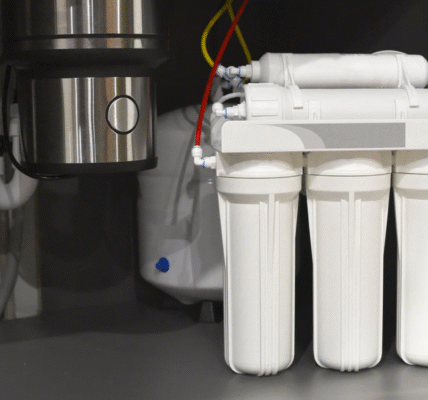
Specialized uv lights are installed within water treatment systems, exposing water to ultraviolet rays as it flows through. This process disrupts the DNA of harmful organisms, preventing them from reproducing or causing illness.
UV purification works quickly, requires minimal maintenance, and doesn’t alter the taste or chemical composition of water.
For many households, it provides a powerful extra layer of protection.
The Unique Needs of City Water Systems
Municipal water systems undergo extensive treatment before reaching homes. However, distribution infrastructure can sometimes introduce challenges, particularly in older urban areas.
Sediment buildup, chlorine fluctuations, and occasional microbial risks can affect water quality during transit.
Advanced municipal water solutions often combine filtration, UV disinfection, and mineral balancing to ensure consistent quality at the household level.
These integrated systems help homeowners maintain high water safety standards even when relying on public supplies.
Consistency becomes a key benefit of local treatment systems.
Challenges Faced by Private Well Owners
Homes that rely on private wells face entirely different water quality considerations. Unlike municipal systems, well water isn’t treated by centralized facilities.
Groundwater sources may contain bacteria, minerals, or environmental contaminants depending on surrounding soil conditions.
For these households, specialized well water applications provide essential protection. Treatment systems designed for well water often include sediment filtration, mineral removal, and UV disinfection.
These solutions help ensure water safety while preserving natural groundwater benefits.
Regular testing remains particularly important for well systems.
The Financial Impact of Untreated Water Risks
Many homeowners underestimate the long-term financial implications of inadequate water treatment.
Microbial contamination can lead to health risks, while mineral buildup can damage plumbing infrastructure and appliances. Water heaters, dishwashers, and washing machines often experience reduced efficiency when exposed to untreated water.
Investing in advanced purification technology helps prevent costly repairs and extend equipment lifespan.
Preventive care often proves far more economical than addressing damage after it occurs.
The Emotional Value of Safe Water
Water safety isn’t just a technical concern — it’s also deeply emotional. Knowing that the water your family drinks and uses daily is thoroughly protected creates peace of mind.
Without reliable treatment, uncertainty about water quality can cause ongoing anxiety.
Clean water contributes to a sense of security that supports both health and overall well-being.
Confidence in basic resources plays a significant role in daily comfort.
Integrating Technology Into Modern Homes
Today’s water treatment systems are designed to integrate seamlessly into modern living environments. Many units operate automatically, requiring minimal oversight.
Smart monitoring features can alert homeowners when maintenance is needed, ensuring consistent performance without constant attention.
These innovations make advanced water protection more accessible and user-friendly than ever before.
Technology continues to transform how households manage water quality.
Simple Steps to Maintain Water Safety
While advanced treatment systems provide strong protection, homeowners can take additional measures to support water quality.
Practical habits include:
- Replacing filters on schedule
- Testing water periodically
- Flushing water heaters to remove sediment
- Inspecting plumbing for leaks
These steps help maintain treatment system efficiency and prevent unexpected issues.
Consistency ensures long-term reliability.
A Final Thought: Protection You Rarely Notice
The most effective water safety measures often operate quietly in the background. They don’t change how water looks or feels — they simply ensure it remains safe, reliable, and clean.
Modern purification technologies provide this invisible protection, addressing risks that traditional filtration alone may not fully resolve.
Because ultimately, water safety isn’t just about what you can see.
It’s about the unseen layer of care that supports health, comfort, and confidence — ensuring that something as essential as water continues to serve its purpose quietly and effectively every single day.