From Kitchen Sink to Corporate Building: Why Water Quality Deserves More Attention

Water is easy to take for granted. It flows when we turn the handle, fills our glasses, washes our hands, keeps coffee machines humming. We don’t usually pause to think about it unless something feels off — a strange taste, cloudy ice cubes, chalky residue on faucets. Then suddenly, water becomes the main character in our daily routine.
The truth is, water quality affects far more than convenience. It influences comfort, efficiency, long-term maintenance costs, and even how confident we feel about what we’re drinking. Whether you’re a homeowner or managing a business, the conversation around water is worth having.
At Home: Small Signs, Bigger Impacts
Most homeowners first notice water issues in subtle ways. Soap doesn’t lather properly. Towels feel stiff. Glassware looks spotted even after a thorough wash. Sometimes it’s a faint chlorine smell when you fill a glass late at night.
These aren’t emergencies. They’re irritations. But they add up.
This is where residential water treatment becomes part of the discussion. It’s not about fear or perfection — it’s about improving the everyday experience of living in your home.
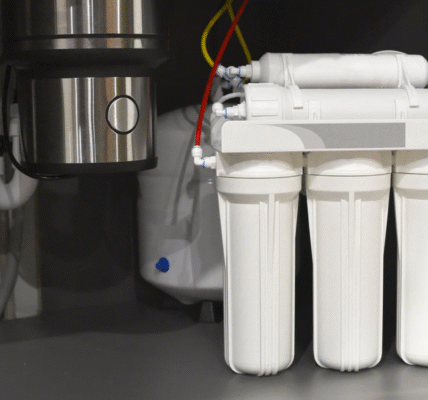
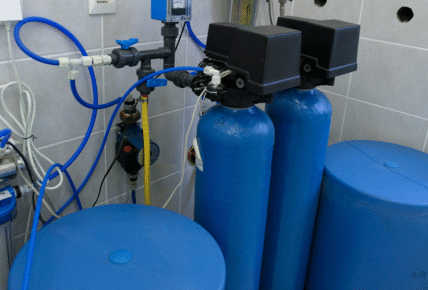
For some households, a water softener solves mineral buildup that damages appliances and clogs showerheads. For others, filtration systems address taste, odor, or specific contaminants identified through testing. The key is understanding what’s actually in your water before choosing a solution.
Testing first is underrated advice. Guesswork often leads to overspending or installing equipment that doesn’t truly address the issue.
The Business Side of Water Quality
Now shift perspective for a moment. Imagine you run a café, a restaurant, or an office building. Water quality isn’t just about personal comfort — it directly impacts operations.
Coffee brewed with off-tasting water won’t satisfy customers. Scale buildup inside commercial dishwashers increases maintenance costs. Ice machines require consistent quality input to function efficiently.
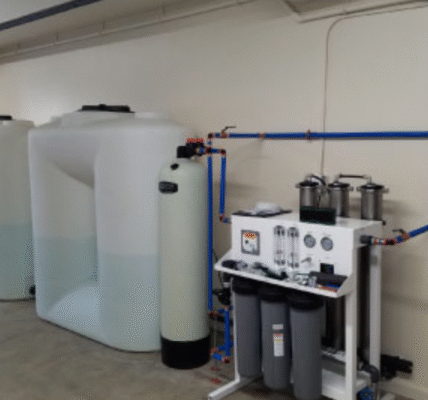
That’s why many businesses invest in commercial water solutions tailored to their scale and usage demands. These systems are designed to handle higher volumes, protect equipment, and maintain consistent performance.
It’s not just about taste. It’s about protecting assets and maintaining reputation. A customer may not consciously analyze the water in their iced tea, but they’ll notice if something tastes off.
The Common Goal: Better Water
Whether you’re managing a family household or a bustling commercial space, the goal remains similar — access to healthy water that supports daily routines without causing hidden damage.
Healthy water doesn’t necessarily mean ultra-purified or stripped of all minerals. It means balanced. Free from harmful contaminants. Pleasant to drink. Safe for cooking and cleaning.
In homes, this often translates to improved hydration habits. When water tastes better, people drink more of it. In businesses, it means consistency and fewer interruptions from equipment breakdowns.
Water touches nearly every activity we perform. Improving it creates ripple effects.
Hard Water, Soft Costs
Hard water deserves special mention because it’s so widespread. It’s not dangerous, but it’s persistent. Over time, mineral buildup can shorten the lifespan of appliances, reduce heating efficiency, and increase cleaning time.
At home, that means scrubbing more often and replacing water heaters sooner than expected. In commercial settings, it can mean downtime and expensive service calls.
Softening systems or scale-control technologies often pay for themselves over time by reducing wear and tear. The savings aren’t always obvious in month one, but they show up over years.
Filtration Isn’t One-Size-Fits-All
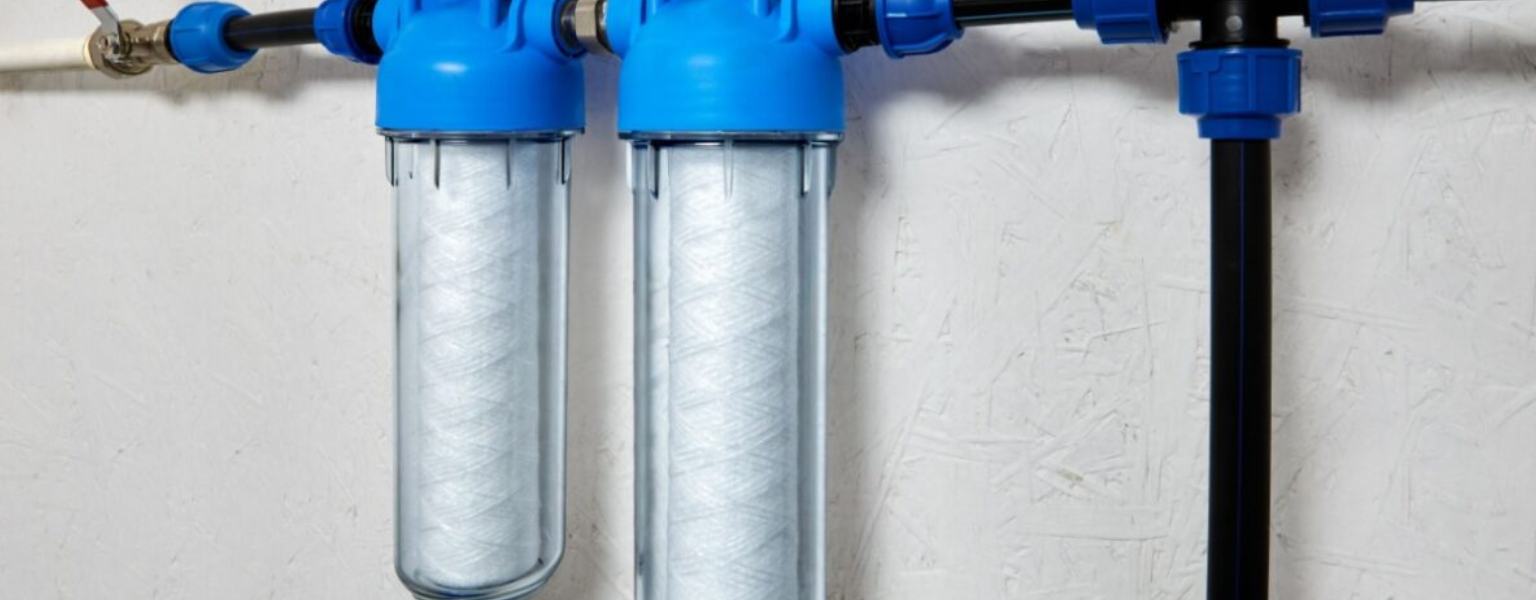
Filtration needs vary widely. A family with municipal water might only want taste improvement at the kitchen tap. A rural household on well water may need multi-stage treatment addressing sediment, bacteria, and mineral content.
Businesses, on the other hand, often require customized systems integrated directly into plumbing infrastructure.
The best approach always starts with assessment. Water testing provides clarity. It prevents overcomplication. It ensures you’re solving the right problem instead of chasing marketing promises.
Maintenance: The Unspoken Commitment
No matter the scale, water treatment systems require upkeep. Filters need replacement. Softeners need salt refills. Periodic inspections keep everything running smoothly.
This is where many people stumble. They invest in equipment but neglect maintenance schedules.
It doesn’t have to be complicated. Setting reminders or partnering with a service provider ensures consistent performance. Think of it as preventative care — like regular oil changes for your car.
Consistency beats complexity every time.
Environmental Considerations
There’s also an environmental dimension worth mentioning. Improved water quality at the tap often reduces reliance on bottled water. That means less plastic waste and fewer cases to haul home from the store.
For businesses, efficient systems reduce water waste and extend equipment lifespan, contributing to sustainability goals.
Small improvements compound over time.
A Thoughtful Investment
Water treatment isn’t glamorous. It won’t transform your home’s appearance or your business’s branding overnight. But it quietly enhances daily life and operations in meaningful ways.
The key is intentionality. Test first. Identify priorities. Choose solutions aligned with actual needs. Maintain them properly.
Water is foundational. It’s woven into almost every routine we have. Giving it attention isn’t excessive — it’s sensible.
And when you fill a glass or brew a cup of coffee without second-guessing what’s inside, that quiet confidence is worth more than most people realize.