
There’s something oddly humbling about a broken appliance. One minute, everything’s running smoothly—you’re halfway through your day, maybe juggling work and home life—and then suddenly, something simple stops working. The washing machine refuses to spin. The oven won’t heat. The fridge makes a noise that doesn’t sound… right.
It’s never dramatic enough to feel like an emergency. But it’s disruptive in a way that creeps into everything.
And in those moments, you don’t just need a repair—you need reassurance that things can go back to normal.
The Invisible Role of Appliances in Daily Life
We don’t usually stop to appreciate how much we rely on our appliances. They just sit there, quietly doing their job. Day after day.
Until they don’t.
And when that happens, it’s not just about inconvenience—it’s about the rhythm of your day being thrown off. Suddenly, you’re thinking about laundry schedules, food storage, or how to cook dinner without your usual tools.
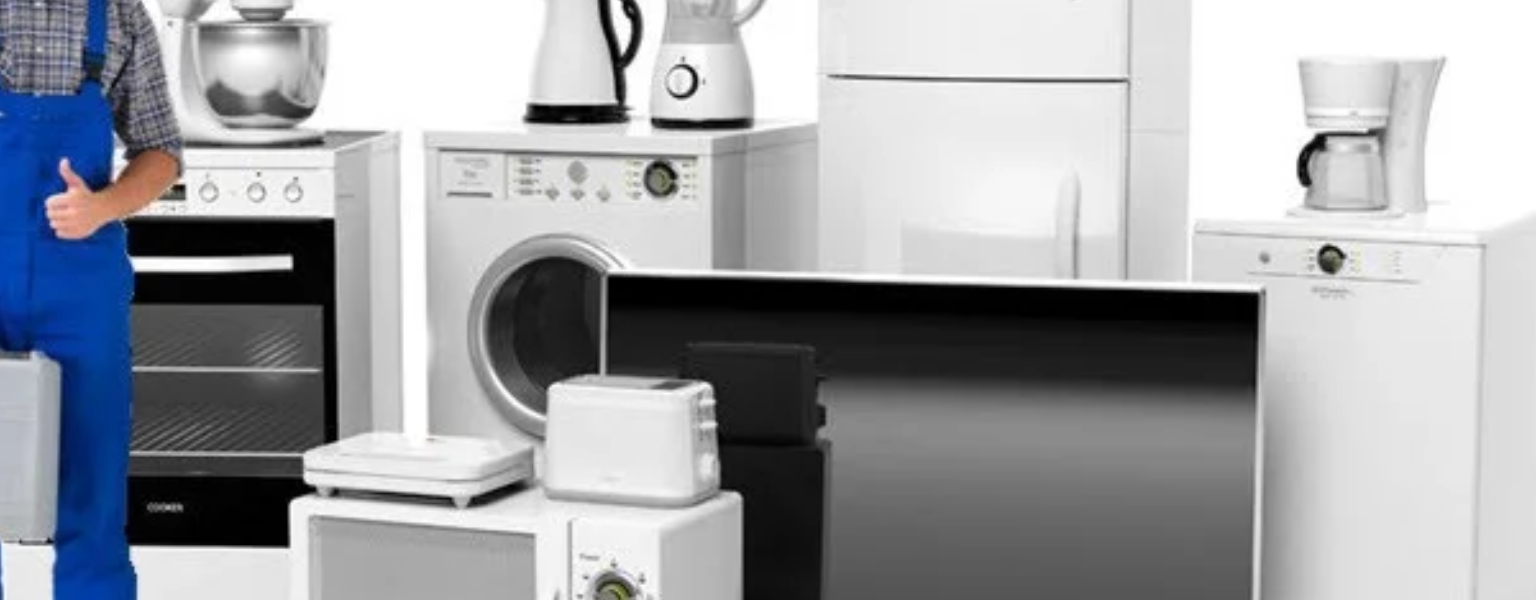
Most homes today depend heavily on major appliance brands, not just for performance but for consistency. These machines are built to last, sure—but even the best ones need attention from time to time.
The idea isn’t that appliances fail often. It’s that when they do, it matters more than we expect.
Understanding the Problem Before Fixing It
One of the most overlooked parts of any repair process is diagnosis.
It’s easy to assume that fixing something is just about replacing a broken part. But in reality, the first step—figuring out what’s actually wrong—is often the most important.
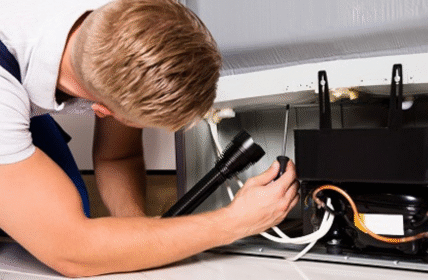
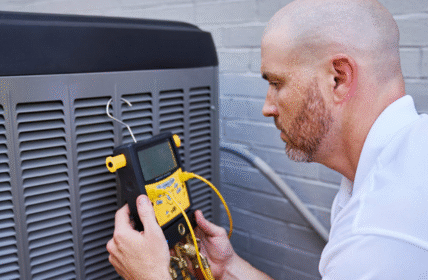
That’s where efficient diagnostics come into play. A skilled technician doesn’t just guess. They observe, test, and narrow things down. Sometimes the issue isn’t where it seems. A fridge that isn’t cooling might not have a compressor problem—it could be airflow, or even something as small as a faulty sensor.
Getting that diagnosis right saves time, money, and unnecessary stress.
And honestly, it’s a bit like solving a puzzle. You want someone who enjoys figuring it out—not just rushing to a conclusion.
The Difference Experience Makes
You can tell when someone has done this work for years. There’s a certain calmness to it.
They don’t panic. They don’t overcomplicate things. They’ve seen similar issues before, maybe dozens of times. And that experience shows in the way they approach the repair.
It’s not about fancy tools or technical jargon. It’s about understanding patterns. Recognizing symptoms. Knowing what usually works—and what doesn’t.
And that’s often what separates a temporary fix from a lasting one.
More Than Just Fixing Machines
Here’s the thing—good repair service isn’t just about the machine.
It’s about the interaction. The way someone explains the issue. The patience they show when you ask questions. The small tips they leave you with, like how to avoid the same problem in the future.
Those details matter more than we realize.
Because when something breaks in your home, it feels personal. You’re letting someone into your space, trusting them to fix something you rely on daily.
And when that trust is handled well, it leaves a lasting impression.
Why Reliability Still Matters
In a world where everything seems fast and disposable, reliability has become something people quietly crave.
You don’t want a temporary fix. You don’t want to deal with the same issue again next month.
You want dependable service—the kind that actually solves the problem and gives you peace of mind.
That doesn’t mean things will never go wrong again. But it does mean you’re less likely to feel frustrated or uncertain when they do.
Because you know who to call. You know what to expect.
Small Problems, Bigger Consequences
It’s easy to ignore minor issues. A strange noise. A slightly longer wash cycle. A fridge that feels just a bit warmer than usual.
We tend to brush these things off. Life is busy, after all.
But small problems have a way of growing quietly. What starts as a minor inconvenience can turn into a full breakdown if left unchecked.
And by the time it becomes obvious, the repair might be more complicated—or more expensive—than it needed to be.
So sometimes, the smartest thing you can do is act early. Not urgently, but thoughtfully.
A Different Way to Look at Repairs
Maybe repairs aren’t just interruptions. Maybe they’re part of a larger cycle—use, wear, maintenance, renewal.
It’s easy to get caught up in the idea of replacing things as soon as they stop working perfectly. But there’s value in fixing what you already have.
It’s practical, yes. But it’s also a bit more mindful.
You’re extending the life of something. Reducing waste. Making a choice that’s not just about convenience, but about balance.
Bringing Comfort Back, Quietly
At the end of the day, what most people want is simple.
They want their appliances to work. Their routines to feel normal again. Their homes to run without friction.
And when a repair is done well—when the problem is understood, fixed properly, and explained clearly—it doesn’t feel like a hassle anymore.
It feels like relief.
Not dramatic. Not over-the-top.
Just quiet, steady comfort returning to where it belongs.