
Most of us only think about water when we turn on the tap. It’s such a routine part of daily life that it feels almost invisible. You fill a glass, wash your hands, start a coffee maker—it’s all automatic, something you never stop to question.
But every now and then, something changes. Maybe the water leaves spots on dishes, tastes slightly off, or feels unusually harsh on your skin. That’s usually when you realize water quality isn’t something to take for granted.
And more importantly, it isn’t just a household concern. It affects businesses, workplaces, and entire infrastructures in ways people rarely notice.
The Everyday Impact of Water Quality at Home
At home, water influences comfort in subtle but meaningful ways. It affects how clothes feel after washing, how smoothly plumbing systems function, and even how skin and hair respond after a shower.
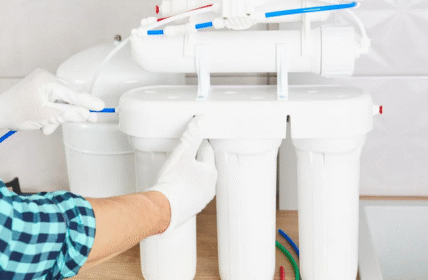
Many homeowners begin exploring residential water systems when they notice these small but persistent issues. These systems are designed to treat water at the entry point of a home, ensuring consistent quality throughout every faucet and appliance.
They can help reduce sediment buildup, improve taste, and prevent mineral deposits that shorten appliance lifespan.
What makes these systems valuable isn’t just functionality—it’s the quiet improvement in daily comfort that homeowners experience over time.
Understanding the Challenges of Hard Water
One of the most common water concerns across both homes and businesses is hard water.
Hard water contains elevated levels of minerals like calcium and magnesium. While these minerals are not harmful to health, they can create noticeable inconveniences.
Soap may not lather effectively. Glassware might develop cloudy residue. Plumbing fixtures can accumulate scale buildup that reduces efficiency.
Over time, hard water can also impact appliances like water heaters and dishwashers, causing them to work harder and wear out sooner.
Addressing hard water helps protect both comfort and infrastructure.
Why Water Quality Matters in Commercial Environments
While residential water issues are noticeable, they become even more critical in commercial settings.
Businesses rely heavily on consistent water quality for operations, equipment maintenance, and customer satisfaction.
Restaurants, for example, need reliable water for food preparation and cleaning. Hotels depend on water quality for guest comfort. Manufacturing facilities require precise water conditions for production processes.
This is where commercial water solutions play a vital role.
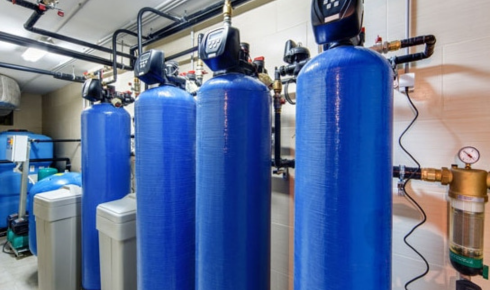
These systems are designed to handle larger volumes and more demanding conditions than residential setups, ensuring consistent performance across complex environments.
The Long-Term Benefits of Treating Water Properly
Improving water quality isn’t just about immediate comfort—it also delivers long-term advantages.
Treated water reduces mineral buildup in pipes and appliances, extending their lifespan and lowering maintenance costs.
In commercial settings, this translates into fewer operational disruptions and improved efficiency.
For homeowners, it means appliances function smoothly for longer periods without requiring frequent repairs.
These benefits often offset the initial investment in water treatment systems.
The Emotional Comfort of Reliable Water
Beyond technical advantages, there’s a quiet emotional comfort that comes from knowing your water is reliable.
You don’t have to worry about unexpected odors, unusual residue, or hidden contaminants.
Instead, you can focus on daily routines—cooking, cleaning, relaxing—without second-guessing the quality of the water you use.
This peace of mind often becomes one of the most appreciated aspects of water treatment solutions.
Choosing the Right Approach for Different Needs
Water quality solutions vary depending on specific circumstances.
Residential systems often focus on improving taste, reducing mineral content, and protecting appliances.
Commercial solutions, on the other hand, prioritize consistency, capacity, and operational efficiency.
Professional water testing can help identify specific issues and determine the most effective treatment methods.
Tailoring solutions ensures both homes and businesses achieve optimal results.
Preventing Problems Before They Develop
One of the biggest advantages of water treatment systems is their preventive impact.
By addressing water quality at the source, these systems help avoid future complications.
Mineral buildup, corrosion, and equipment inefficiencies can all be minimized through proactive treatment.
This approach supports long-term reliability and reduces unexpected expenses.
A Shared Need Across Different Spaces
Whether in a family home or a busy commercial facility, water plays an essential role in everyday functionality.
Its quality influences comfort, efficiency, and overall well-being.
Recognizing this shared need highlights the importance of investing in appropriate water treatment solutions for different environments.
Because while the scale may vary, the benefits remain consistent.
The Quiet Foundation of Daily Life
Water is one of those elements that works quietly in the background, supporting life without demanding attention.
But when its quality improves, the difference becomes surprisingly noticeable.
Better water enhances routines, protects infrastructure, and provides reassurance that something so essential is dependable.