
When you turn on your faucet, fill a glass, and take that first sip of water, you’re probably not thinking about the system behind it. But what flows out of that tap is the result of a complex, carefully tuned network of filters, tanks, and treatment devices working quietly in the background. These hidden heroes—especially pressure tanks, reverse osmosis systems, and whole home water filters—are what make safe, clean water possible in millions of homes across the world.
Let’s take a slow, thoughtful stroll through the world of residential water systems—no jargon overload, no robotic explanations. Just a good, honest look at what keeps your water clean and your peace of mind intact.
That First Line of Defense: The Pressure Tank
If you’ve got a well at home or even a complex water filtration system, there’s a good chance you’re relying on a pressure tank to do some of the heavy lifting. It’s not flashy. It’s not something you’ll brag about at a dinner party. But it matters—a lot.
A pressure tank holds water under pressure so that your pump doesn’t have to start every time someone flushes the toilet or runs the dishwasher. It’s kind of like the shock absorber in a car, smoothing out the bumps and preventing your pump from working overtime. That means longer lifespan for your equipment and more consistent water pressure for you.
I’ve heard folks complain about “banging pipes” or the pump cycling on and off every few seconds. Nine times out of ten? It’s either an undersized or malfunctioning pressure tank. Quietly doing its job until, well, it doesn’t.
The Fine Filter: Reverse Osmosis, One Drop at a Time
Let’s switch gears.
You know that ultra-clean taste of bottled water? That crisp, pure quality you just don’t get straight from the tap in most cities? That’s reverse osmosis at work—minus the fancy label and the plastic bottle.
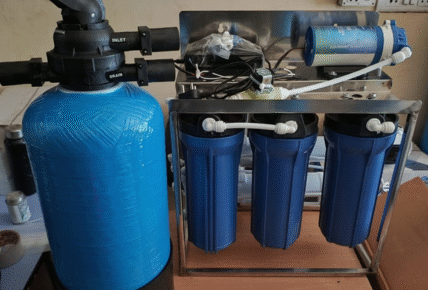
Reverse osmosis systems (RO, for short) are champions of fine filtration. They use a semi-permeable membrane to remove up to 99% of contaminants—things like lead, chlorine, fluoride, arsenic, nitrates, and all sorts of microscopic nasties you’d rather not drink.
Now, here’s the kicker: RO isn’t a “whole house” solution. It’s a point-of-use system, typically installed under the kitchen sink, where it treats only the water used for drinking or cooking. That said, the water it produces? Chef’s kiss. Especially if you’re living somewhere with hard water or aging municipal infrastructure.
There are trade-offs—slower flow rate, water waste, filter changes—but for folks who care deeply about what goes into their bodies (or their pets’ water bowls), reverse osmosis systems are a no-brainer.
Big Picture Thinking: Whole Home Water Filters
Now let’s zoom out.
Sure, clean drinking water is vital—but what about the water you bathe in? Or use to wash clothes? Or brush your teeth?
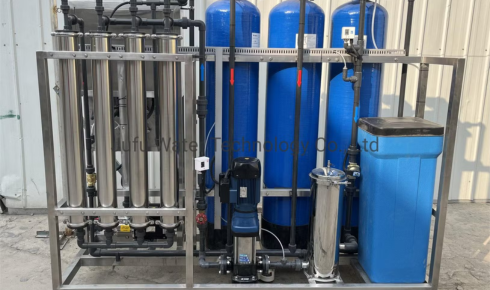
That’s where whole home water filters step in, offering a broader layer of protection. These systems are installed at the point where water enters your home, treating every single drop before it hits a faucet or appliance.
What they remove depends on the filter type. Some focus on sediment, dirt, and rust. Others are built to tackle chlorine, pesticides, VOCs (volatile organic compounds), or even iron and sulfur, which can leave behind stains and odors.
It’s not about turning your entire house into a bottled water plant. It’s about comfort. Softer skin, cleaner clothes, and longer-lasting appliances. Ever had a shower that smelled vaguely like a swimming pool? Yeah, that’s the chlorine talking. And it’s also something whole home water filters can fix.
Matching the System to the Situation
Here’s where things get real: not every home needs all of these systems.
Got a municipal water supply that’s well-regulated but heavily chlorinated? Maybe you just need a good carbon-based whole home filter and an under-sink RO for drinking.
Live on a well with sediment issues and possible bacterial contamination? You’ll likely need a pressure tank, pre-sediment filters, maybe even UV sterilization, and some serious filtration muscle.
Point is, no two households are alike. And water treatment is not one-size-fits-all. It’s about testing your water, understanding your lifestyle, and making decisions that balance safety, taste, convenience, and cost.
The Human Side of It All
We often overlook water because it’s always there. Until it isn’t. Or until it smells off. Or tastes weird. Then it’s panic mode.
But water is life—literally. And caring for your home’s water system is just another form of caring for your family. It’s not just about filtering out the bad stuff. It’s about welcoming in the good—hydration, health, and peace of mind.
And let’s be honest. We live in a time where we question more. We check ingredient lists, we track calories, we read product reviews. It only makes sense we’d pay attention to something we use dozens of times a day, often without a second thought.
Keeping Up With Maintenance (Without Losing Your Mind)
One thing most people don’t tell you when you install these systems? They require love. Not the heart-shaped kind, but the practical kind: routine maintenance.
RO filters need swapping every 6–12 months, depending on usage. Whole home filters may last longer, but sediment filters can clog sooner. Pressure tanks? They’re durable but not invincible—check that bladder pressure every so often.
The best way to stay ahead is to set calendar reminders. Some smart systems even ping your phone when maintenance is due. Otherwise, it’s way too easy to fall into the “set it and forget it” trap, and suddenly your crystal-clear water starts tasting like a coin jar.
Final Thoughts: Building a Relationship With Your Water
At the end of the day, a water filtration system is more than just plumbing. It’s a partnership. You invest a little time and effort, and in return, you get something truly essential—clean, safe, reliable water for every aspect of your life.
Whether you’re considering a simple under-sink unit or a full-blown home system with bells and whistles, remember: you don’t need to be a plumber or a scientist. You just need to ask the right questions, stay curious, and listen to what your water’s telling you.