
We interact with water constantly, yet rarely pause to think about it. It fills our coffee mugs in the morning, steams up our bathroom mirrors at night, and runs quietly through pipes we barely acknowledge. It’s easy to assume that because it’s clear and available, it’s perfectly fine.
But water quality is one of those things you don’t question—until you do.
Maybe you notice a faint odor when you turn on the faucet. Maybe your office building installs a filtration unit and suddenly the water tastes different. Maybe your skin feels drier than it used to, and you start wondering if it’s more than just winter air.
The truth is, water systems vary widely depending on where you live and how they’re maintained. And once you start paying attention, you realize there’s more to the story.
When It’s Personal: Water at Home
Your home is your sanctuary, and water plays a bigger role in that comfort than you might think. From showers to laundry to cooking, it touches nearly every routine.
That’s why many homeowners eventually explore residential water treatment options. It’s not always about dramatic contamination scares. Sometimes it’s about small frustrations—hard water stains, chlorine taste, soap that won’t quite lather.
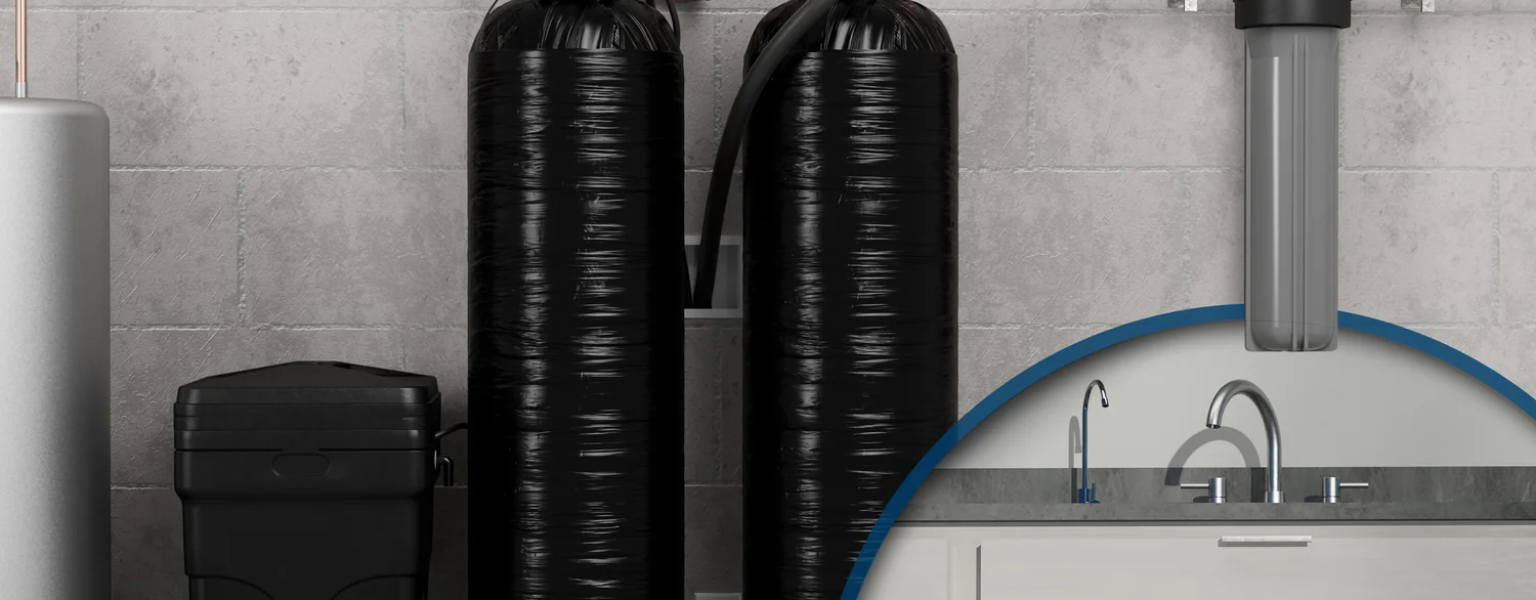
Treatment systems can soften mineral-heavy water, filter sediment, and reduce unwanted odors. The impact is often subtle but consistent. Towels feel softer. Appliances last longer. Coffee tastes cleaner.
It’s not about fear—it’s about refinement.
A simple water test can reveal what’s actually present in your supply. With that information, solutions become less about guesswork and more about informed choices.
Scaling Up: Water in Business Environments
Now imagine that same concern, but multiplied across a hotel, restaurant, or manufacturing facility.
Water quality isn’t just about comfort in commercial spaces—it’s about performance and reputation. Businesses rely on consistent, clean water for everything from food preparation to industrial processes.
That’s where commercial water solutions come into play.
In hospitality, water affects guest satisfaction. In healthcare, it’s tied to safety standards. In food service, it directly impacts taste and hygiene.
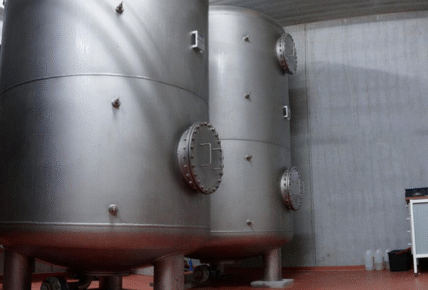
Commercial systems are often more robust, designed to handle higher volumes and stricter regulations. They may include large-scale filtration, softening systems, and advanced purification technologies tailored to industry needs.
And when those systems function well, they quietly protect both operations and reputation.
Drinking Water: The Final Layer of Confidence
Even in homes or businesses with broader filtration, many people still focus specifically on what they consume.
That’s where dedicated drinking water systems often enter the conversation.
Under-sink filtration units, reverse osmosis setups, and countertop purifiers target the water that goes directly into glasses and cooking pots. They’re designed to reduce dissolved solids, improve taste, and provide an extra layer of assurance.
Some families choose these systems for health reasons. Others simply prefer the clarity and flavor.
It’s not uncommon for homeowners to pair whole-house treatment with a separate drinking water filter for added peace of mind.
The Role of Testing and Maintenance
No matter the setting—residential or commercial—testing is critical.
Water quality can change over time due to infrastructure updates, seasonal shifts, or environmental factors. Regular testing ensures systems remain effective and appropriate for current conditions.
And maintenance matters more than most people realize. Filters need replacing. Softener tanks require refilling. Larger systems demand periodic inspections.
Neglecting maintenance doesn’t just reduce performance—it can shorten system lifespan.
Setting reminders and scheduling routine service keeps everything running smoothly.
Environmental Considerations
Water treatment isn’t only about personal comfort or business efficiency. It also has environmental implications.
Reducing bottled water consumption decreases plastic waste. Efficient filtration systems can minimize unnecessary chemical use. Responsible wastewater management supports broader ecological health.
Choosing systems thoughtfully—and maintaining them properly—contributes to sustainability in ways that extend beyond your home or workplace.
Balancing Cost and Value
Investing in water systems involves upfront expense, but the long-term value often outweighs initial costs.
Extended appliance lifespan. Reduced maintenance issues. Improved taste and comfort.
For businesses, the stakes are even higher—water-related problems can impact revenue and customer trust.
The key is evaluating needs realistically. Not every home requires advanced purification. Not every business needs industrial-scale treatment.
Matching solutions to specific circumstances prevents overspending and underperformance alike.
Subtle but Significant Changes
The improvements water treatment brings are rarely dramatic.
You won’t wake up one morning feeling like you’ve stepped into a luxury spa.
Instead, the difference unfolds gradually. Glassware looks clearer. Showers feel smoother. Drinking water tastes crisp.
It’s a quiet upgrade—one that blends seamlessly into daily life.
Final Thoughts: Water Deserves a Second Look
We depend on water more than almost anything else in our homes and businesses. Yet it’s often the last thing we evaluate.
Taking the time to understand your water—what’s in it, how it flows, how it’s treated—offers clarity and control.
Whether you’re refining your home’s system or ensuring a commercial property meets higher standards, thoughtful water treatment enhances comfort, performance, and peace of mind.
And in a world full of complicated decisions, that’s one improvement that feels refreshingly simple.