Before You Upgrade Your Water: Why Testing, Installation, and Ongoing Care Matter More Than You Think

Water is one of those quiet essentials we rarely question. It flows when we turn the tap. It fills the kettle. It rinses dishes and runs through washing machines without ceremony. Most days, we don’t give it a second thought.
Until something feels off.
Maybe your shower leaves your skin dry. Maybe your drinking water has a faint metallic aftertaste. Or maybe you’ve just started paying closer attention to what’s in your home — the air you breathe, the food you eat, the water you rely on. That awareness often leads to one simple question: should I be doing more about my water quality?
The honest answer? Maybe. But before you buy the biggest filtration system you can find, it’s worth slowing down.
Start With Information, Not Assumptions
The smartest first step isn’t shopping — it’s testing.
Many companies offer a free water test, and while that phrase might sound like a marketing hook, it can be genuinely helpful when done properly. A basic analysis can reveal hardness levels, iron content, chlorine concentration, and sometimes even more complex contaminants.
Why does that matter? Because not all water problems are the same.
Hard water leaves scale on fixtures and appliances. Iron can cause rust stains and metallic flavors. Chlorine affects taste and odor. Each issue requires a different solution. Without testing, you’re guessing — and guessing can get expensive.
I’ve seen homeowners install reverse osmosis systems when their primary problem was simply mineral buildup. Others have purchased water softeners when their biggest concern was chlorine taste. Testing brings clarity. It gives you data instead of assumptions.
And clarity saves money in the long run.
Choosing the Right System
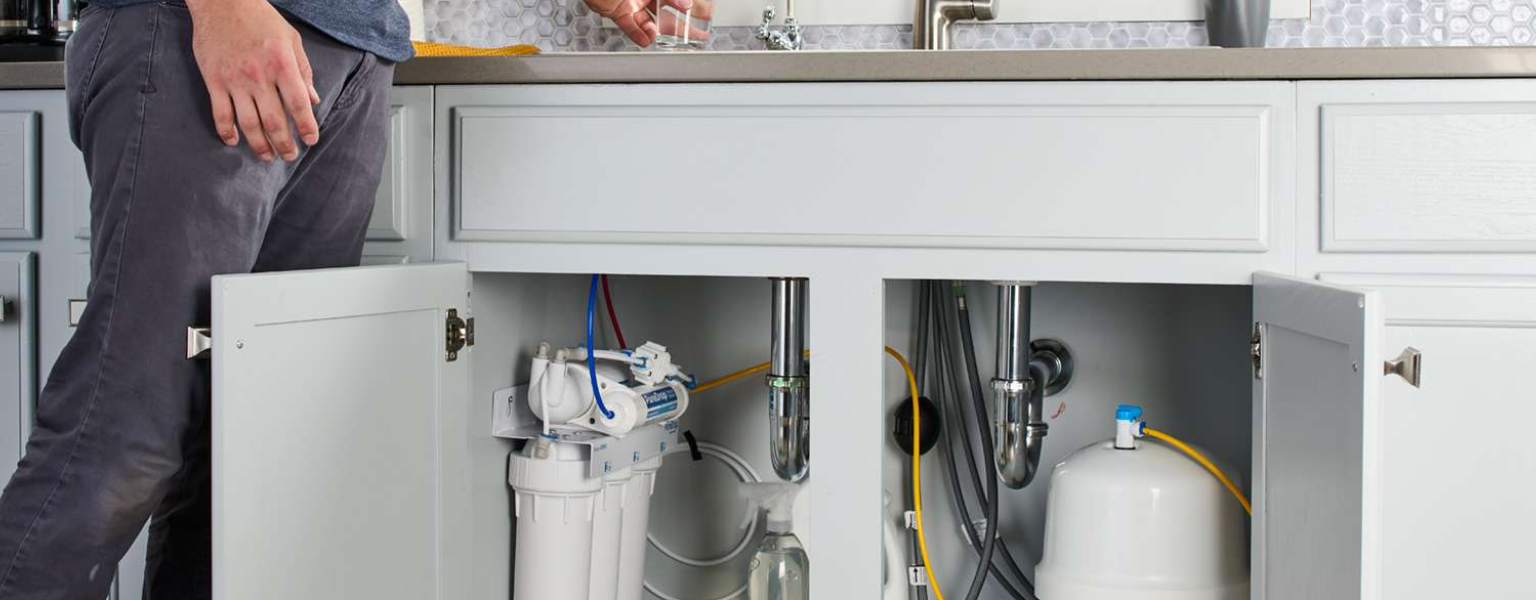
Once you understand your water profile, the next step is selecting the right equipment. This is where it’s easy to get overwhelmed. There are under-sink units, whole-home systems, carbon filters, UV purifiers, softeners, and hybrid combinations that promise to do it all.
The key is alignment. Match the system to the problem.
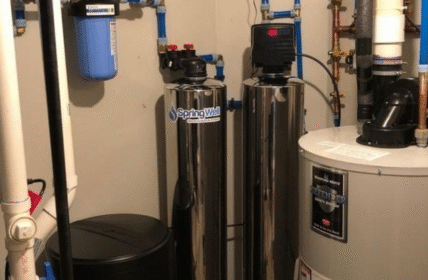
For mineral-heavy water, a softener may be enough. If chlorine is the main issue, activated carbon could solve it. If you’re dealing with multiple concerns, layered filtration makes sense.
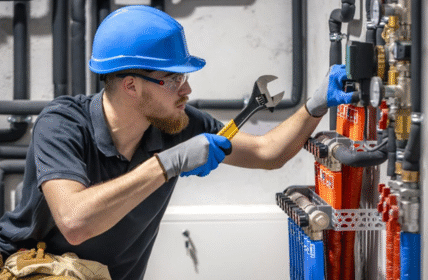
But even the best equipment won’t perform well without proper system installation. Placement, plumbing connections, and calibration matter. A poorly installed system can reduce water pressure, leak, or simply fail to deliver the promised results.
Professional installation often feels like an added expense, but it’s usually worth it. Certified technicians ensure the system integrates properly with your home’s plumbing and operates at optimal efficiency. And let’s be honest — water damage from DIY mistakes isn’t something most of us want to experience firsthand.
Installation done right means fewer headaches later.
It Doesn’t End After Installation
Here’s something many homeowners don’t realize: water treatment systems aren’t set-it-and-forget-it solutions.
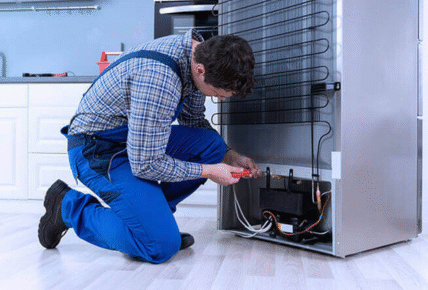
Filters clog. Resin beds require regeneration. UV bulbs lose effectiveness over time. Even the most advanced unit needs routine attention. That’s where service & maintenance comes into play.
Maintenance schedules vary by system, but most involve periodic filter changes, salt refills (for softeners), and occasional inspections. Neglecting upkeep doesn’t just reduce performance — it can create a false sense of security. You assume your water is being treated effectively, when in reality, filters may be saturated.
The good news? Modern systems are designed to make maintenance manageable. Many feature indicator lights or digital alerts when service is due. Some companies offer annual service plans, taking the guesswork out of scheduling.
Think of it like car maintenance. You wouldn’t skip oil changes for years and expect smooth performance. Water systems are no different.
The Long-Term Benefits Add Up
When testing, installation, and maintenance are handled thoughtfully, the benefits extend beyond taste.
Appliances last longer because they aren’t battling mineral scale. Plumbing stays cleaner. Dishes come out spotless. Showers feel more comfortable. And if you’ve been buying bottled water regularly, that expense — and plastic waste — often drops significantly.
There’s also a subtle psychological shift. When you know your water has been tested and your system is properly maintained, you stop second-guessing it. You pour a glass without hesitation. You cook with confidence. You fill your kids’ water bottles without wondering what might be lingering inside.
It’s not dramatic. It’s just reassuring.
Making a Thoughtful Investment
Upgrading your water quality isn’t about chasing trends or buying the most expensive system available. It’s about understanding your home’s specific needs and responding intelligently.
Start with testing. Choose equipment based on data. Invest in proper installation. Commit to maintenance.
That sequence might not sound glamorous, but it’s effective.
In a world filled with flashy home upgrades and smart devices, water remains foundational. It flows through every routine — morning coffee, evening showers, weekend laundry. Improving it quietly improves everything else.
And maybe that’s the real takeaway. Clean, reliable water isn’t something you should have to think about constantly. When handled properly — from that initial test to ongoing care — it simply works.
And when something as essential as water works the way it should, life feels just a little bit easier.