
What Your Tap Water Isn’t Telling You (And Why It Might Be Worth Finding Out)
There’s a quiet assumption most of us carry—that the water coming out of our taps is “good enough.” Not perfect, maybe, but safe, usable, and nothing to really worry about.…
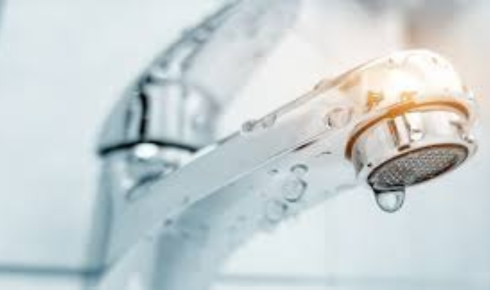
There’s a quiet assumption most of us carry—that the water coming out of our taps is “good enough.” Not perfect, maybe, but safe, usable, and nothing to really worry about. And for a lot of homes, that’s partly true.
But every now and then, something nudges that assumption. Maybe it’s a faint smell you can’t ignore anymore. Or those stubborn white spots on your glasses that never quite wash away. Sometimes it’s just a question that pops into your head out of nowhere—what’s actually in this water?
It’s not a dramatic realization. More like a slow curiosity that builds over time.
- When Hard Water Starts Showing Up in Everyday Life
- Good Water Shouldn’t Be Something You Have to Think About
- My Home Didn’t Feel Clean Until I Tried Professional Cleaning in Dublin
- When Your Water Comes from the Ground: Living with It, Fixing It, Understanding It
- When You Finally Pay Attention to Your Water, Things Start to Change
- Before You Upgrade Your Water: Why Testing, Installation, and Ongoing Care Matter More Than You Think
Why Water Quality Isn’t Always Obvious
The tricky thing about water is that problems aren’t always visible. You can’t always taste or smell what’s present. Minerals, chlorine, trace contaminants—they don’t necessarily announce themselves.
And even when they do, it’s subtle.
You might notice your skin feeling a bit dry after a shower. Or your coffee tasting slightly off, even though you’re using the same beans. Over time, these little clues start adding up, but they’re easy to brush aside because they don’t feel urgent.
Still, ignoring them doesn’t make them go away.
Starting with a Simple Check at Home
For many homeowners, the first real step isn’t installing equipment—it’s understanding what’s going on. That’s where free in-home water testing comes into play. It sounds simple, and honestly, it is.
Someone comes in, runs a few tests, and gives you a clearer picture of your water’s composition. No guesswork, no assumptions. Just data.
And sometimes, that alone can be eye-opening.
You might discover your water is harder than expected. Or that chlorine levels are higher than you realized. It doesn’t mean something is “wrong” in a dangerous way—it just means there’s room for improvement.
Not All Water Problems Are the Same
Here’s where things get interesting. Two homes in the same neighborhood can have slightly different water profiles. It depends on plumbing, local infrastructure, even how water moves through the system.
So the idea of a one-size-fits-all solution? It rarely holds up in real life.
This is why a deeper look—something like a custom water analysis—can make a difference. Instead of broad recommendations, you get insights tailored to your specific situation. It’s less about selling a system and more about understanding what your home actually needs.
And honestly, that feels a lot more practical.
Turning Insights into Real Solutions
Once you know what’s in your water, the next question naturally follows: what do you do about it?
This is where things can either become overwhelming… or surprisingly straightforward.
The key is having tailored treatment guidance—advice that isn’t generic, but built around your water profile and your daily usage. Maybe you need a softener. Maybe filtration is enough. Maybe it’s a combination of both.
The point is, you’re not guessing anymore.
It’s a bit like going to a doctor with symptoms and finally getting a clear diagnosis. Once you understand the issue, the solution starts to make sense.
The Small Changes That Add Up
What’s interesting is how these adjustments don’t feel life-changing at first. You don’t wake up one morning thinking, “Wow, everything is different.”
Instead, it’s gradual.
Your soap starts lathering better. Your dishes come out cleaner. Your hair feels a bit softer after a shower. You stop noticing that odd aftertaste in your drinking water.
It’s not dramatic—it’s consistent.
And over time, that consistency becomes something you rely on without even thinking about it.
Beyond Comfort: Protecting Your Home
There’s also a practical side that often gets overlooked. Water doesn’t just affect how things feel—it affects how things last.
Hard water, for example, can slowly build up inside pipes and appliances. It’s not something you see right away, but over the years, it can reduce efficiency and lead to repairs that feel… unnecessary in hindsight.
By addressing water quality early, you’re not just improving comfort—you’re protecting your home in a quiet, long-term way.
It’s one of those decisions that doesn’t demand attention but pays off in the background.
Is It Worth Looking Into?
If you’ve never thought about your water before, it might seem like an extra step you don’t really need. And maybe, for some homes, that’s true.
But if you’ve ever questioned the taste, noticed buildup, or just felt like something wasn’t quite right, it’s worth exploring. Not because you need a complex system right away—but because understanding your water puts you in control.
And that’s a good place to be.
A Thought That Stays With You
Once you start paying attention to your water, it’s hard to completely ignore it again. Not in an obsessive way—just in a quiet awareness that it plays a bigger role in your daily life than you realized.
From the glass you drink in the morning to the shower that wakes you up, it’s always there.
And maybe that’s the takeaway.
Good water isn’t about perfection. It’s about clarity—knowing what you’re using, how it affects your home, and what small changes might make things better.
Sometimes, all it takes is a simple test to start seeing things a little differently.