
Basement Renovations Made Easy: Plumbing Solutions That Work Below Drainage Level
Basements are increasingly being transformed into functional living and utility areas rather than remaining underused storage spaces. From adding an extra bathroom to creating a dedicated laundry room or a…
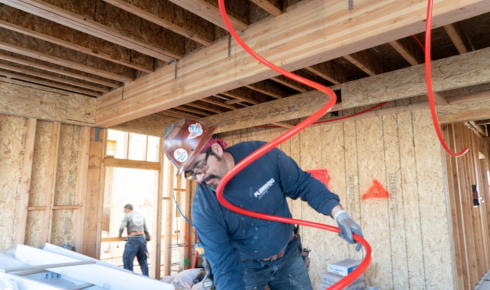
Basements are increasingly being transformed into functional living and utility areas rather than remaining underused storage spaces. From adding an extra bathroom to creating a dedicated laundry room or a full-fledged utility zone, basement renovations can significantly enhance both usability and property value. However, plumbing below the main drainage level remains one of the biggest technical hurdles in such projects.
Unlike upper floors, basements sit below the natural sewer line, which means wastewater cannot flow out using gravity alone. This limitation often discourages renovation plans or leads to expensive and disruptive construction work. Fortunately, modern pumping solutions are specifically designed to overcome this challenge and make basement plumbing practical and reliable.
Understanding the Below-Drainage Challenge
In standard plumbing systems, wastewater flows downward into the sewer line through gravity. In basements, fixtures like toilets, washbasins, showers, or washing machines are positioned lower than the main drain, leaving nowhere for the water to go naturally.
- When Hard Water Starts Showing Up in Everyday Life
- Good Water Shouldn’t Be Something You Have to Think About
- My Home Didn’t Feel Clean Until I Tried Professional Cleaning in Dublin
- What Your Tap Water Isn’t Telling You (And Why It Might Be Worth Finding Out)
- When Your Water Comes from the Ground: Living with It, Fixing It, Understanding It
- When You Finally Pay Attention to Your Water, Things Start to Change
Trying to solve this with traditional methods usually involves heavy civil work such as breaking floors, digging deep trenches, and rerouting pipes. This approach is time-consuming, costly, and often impractical in existing buildings. For residential homes, hotels, or commercial properties, it can also mean extended downtime and disruption.
How Modern Pumping Systems Change Basement Renovations
Modern plumbing solutions eliminate the need for gravity by actively lifting wastewater to the nearest sewer connection. These systems collect discharge from fixtures and pump it through small-diameter pipes, allowing water to travel vertically or horizontally as required.
This technology enables basements to function just like any other floor in the building, without the need for major structural changes. It gives architects, contractors, and property owners the freedom to design basement spaces based on functionality rather than plumbing constraints.
Converting Basements into Bathrooms
Adding a bathroom in the basement is one of the most common renovation goals. Whether it’s for guests, staff, or rental use, a basement bathroom greatly improves convenience. The challenge lies in managing both black water from toilets and grey water from showers and basins.
Compact lifting solutions like Saniflo are designed specifically for such applications. These systems can be installed discreetly behind or beneath bathroom fixtures, allowing toilets, washbasins, and showers to operate normally even below the drainage level.
This makes it possible to install a complete bathroom setup without breaking floors or altering the building’s core plumbing structure.
Laundry Rooms That Work Without Major Construction
Basements are ideal locations for laundry rooms, especially in homes, hotels, hostels, and staff accommodations. Washing machines and utility sinks, however, discharge large volumes of water in short cycles, sometimes at elevated temperatures.
Without proper discharge handling, this can strain conventional plumbing systems. Pumping solutions allow laundry equipment to be installed in basements while ensuring smooth and controlled discharge to the main drain. This setup avoids backflow issues and keeps laundry operations running efficiently.
Laundry rooms in basements benefit from:
- Cleaner upper floors with reduced noise
- Better space utilization
- Easy access for maintenance and utilities
All of this can be achieved without extensive civil modifications.
Utility Spaces for Residential and Commercial Use
Beyond bathrooms and laundry rooms, basements are often converted into utility spaces such as janitor rooms, maintenance areas, or service zones. These areas may include multiple fixtures operating at the same time, which requires a more robust discharge solution.
For such applications, high-capacity systems like Sanicubic 2 Classic are well-suited. Designed to handle higher flow rates and multiple connections, they support reliable operation in residential complexes, hotels, offices, and institutional buildings.
These systems ensure that utility areas remain functional even during peak usage, without the risk of drainage failure.
Flexibility in Design and Layout
One of the biggest advantages of modern basement plumbing solutions is design flexibility. Renovation plans no longer need to revolve around existing drain locations. Fixtures can be positioned where they make the most sense for comfort, access, and efficiency.
This flexibility helps:
- Maximise usable basement space
- Reduce renovation timelines
- Lower overall project costs
- Enable future modifications without rework
As a result, basement spaces become adaptable rather than restrictive.
Quiet and Reliable Operation
Modern pumping systems are engineered for quiet and efficient operation, making them suitable for both residential and commercial environments. When installed correctly, they work automatically and blend seamlessly into the space without disturbing occupants.
Reliable discharge also helps prevent common basement issues such as stagnant water, foul odours, and backflow, which are often associated with poorly planned plumbing.
Long-Term Value of the Right Plumbing Choice
Basement renovations are typically long-term investments. Choosing the right plumbing solution from the start reduces maintenance issues, prevents unexpected failures, and ensures consistent performance over time.
Instead of compromising on layout or functionality, property owners can confidently convert basements into fully usable spaces that meet modern living and operational needs.
Final Thoughts
Plumbing limitations no longer need to restrict basement renovation plans. With the right pumping solutions, it’s possible to add bathrooms, laundry rooms, and utility spaces below the main drainage level without disruptive construction or complex redesigns.
By adopting modern below-drainage plumbing systems, basements can be transformed into practical, efficient, and comfortable spaces that add real value to both residential and commercial properties.